
What are the common database maintenance tasks businesses overlook
A web application’s performance depends heavily on the health of its underlying database.
Whether running a custom web platform, an e-commerce platform or an internal enterprise portal, your database acts as the central engine storing transactions, user credentials and operational records. But over time, databases naturally collect overhead, fragmented data and obsolete logs. When routine database maintenance is neglected, systems slow down, queries stall, and your application stability degrades.
So, understanding these commonly overlooked database tasks and how you can delegate them to someone like Wirebox can keep your digital platform from dragging your business KPIs down.
Index fragmentation management
Indexes are critical components that allow your database engine to locate records quickly without scanning entire tables. However, as records are frequently added, modified or deleted, these indexes become fragmented over time. And when index fragmentation accumulates:
- Query execution times slow dramatically, causing web pages to lag
- The server consumes excessive CPU and RAM to process simple requests
- High database load impacts concurrent user sessions
However, regularly rebuilding or reorganising fragmented indexes consolidates data structures, ensuring search queries run efficiently and preventing unnecessary server overhead.
Pruning transient data and audit logs
Modern web systems generate substantial volumes of operational data. Session tokens, expired cart details, API log records and error traces build up inside tables continuously. While useful temporarily, these records quickly become dead weight if retained indefinitely. And those bloated databases consume unnecessary storage space, slow down system backups and degrade general query performance. So, establishing automated data retention policies ensures temporary tables are pruned regularly without compromising your important business records.
Automated backup verification and restore testing
Most organisations have automated database backup routines in place. However, a major point of failure is assuming that a backup file is usable. Backups can corrupt silently due to storage issues, incomplete write cycles or encryption key changes. So, true disaster recovery preparedness requires regular automated restoration tests. These include:
- Restoring snapshots to isolated staging environments periodically
- Validating data integrity across primary tables
- Measuring precise RTO to confirm operational readiness
Without regular restore validation, an organisation risks discovering that its backups are unrecoverable during a real emergency. That’s a core risk of poor database maintenance.
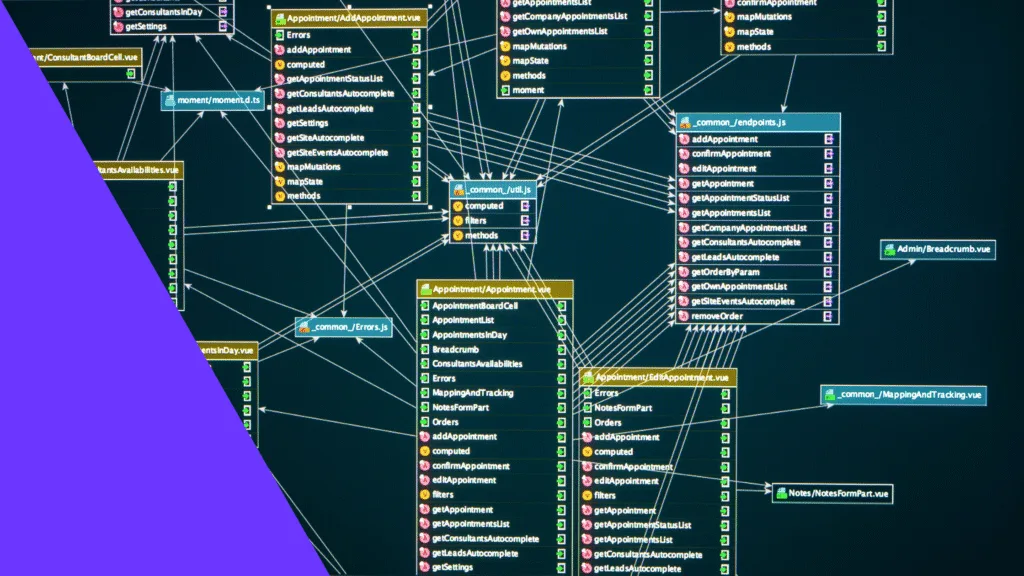
Query performance auditing and slow log analysis
As custom web features expand, application interactions with your database grow in complexity.
But queries that run fast on a small database can cause bottlenecks when these data volumes expand. So, our engineers routinely review slow query logs to identify unoptimised database interactions like:
- Missing indexes – adding targeted indexes to frequently queried columns
- N+1 query problems – refactoring application code to fetch grouped data efficiently
- Inefficient JOIN statements – restructuring complex queries to reduce processing complexity
Systematically refactoring slow queries frees up hardware resources and maintains fast page rendering speeds for users.
Maintaining security permissions and database patch management
Lastly, you know your database stores your organisation’s most sensitive information. But over time, access permissions often accumulate…former employees, legacy API keys or forgotten testing accounts can retain read or write permissions. Additionally, database management systems (like MySQL, PostgreSQL or SQL Server) require regular security patches to address underlying vulnerabilities. So, conducting periodic access audits and applying database software updates keeps your data fully protected against unauthorised access.
Check out our support and maintenance services page for more.