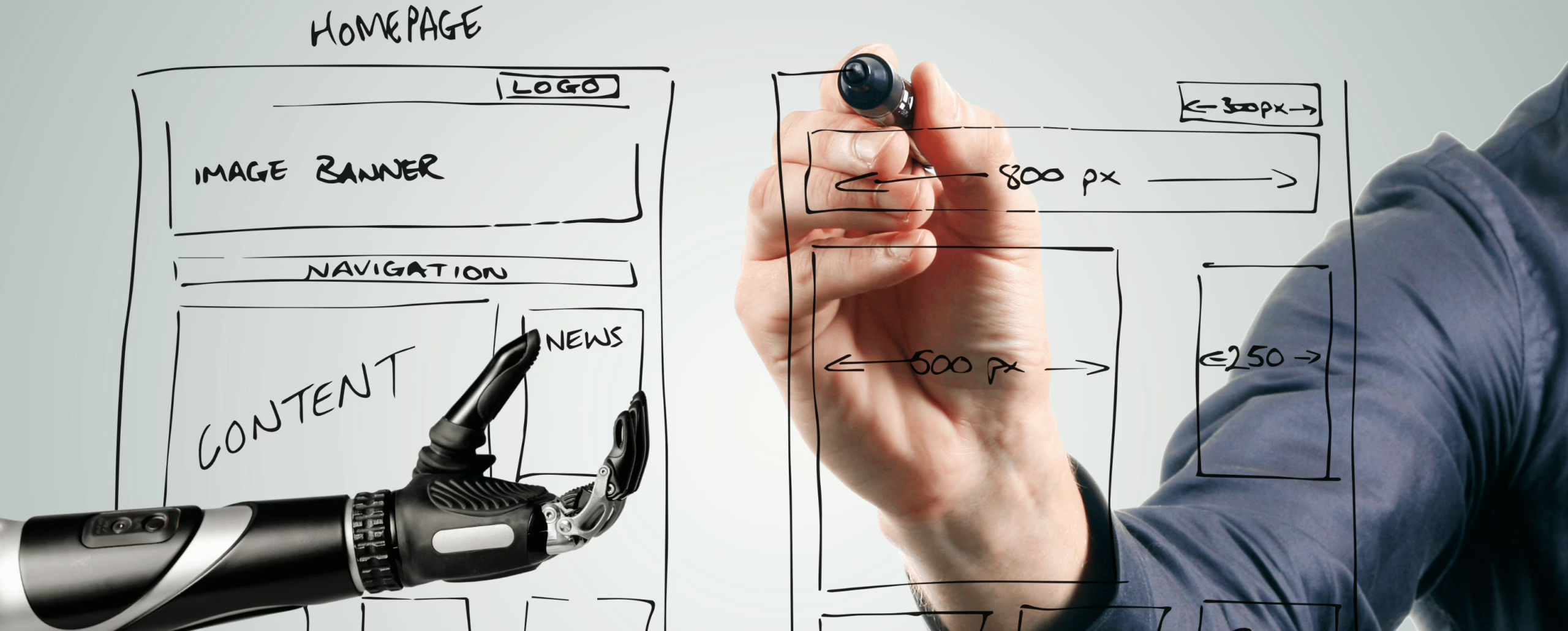
Digital twins aren’t just for the backend anymore
For years, digital twins have mainly been associated with engineering, manufacturing, IT and infrastructure. A business might create a virtual version of a factory, machine or application so it can monitor performance, test changes and identify problems before they happen in the real world. But that definition is beginning to expand. Businesses are now exploring digital twins of people… AI-powered versions of employees that can draw on their documents, meetings, messages, and experience to answer questions in ways that reflect their knowledge.
What is a workplace digital twin?
A workplace digital twin is an AI assistant connected to the information and knowledge associated with a particular employee. Imagine being able to ask a senior colleague about the history of a customer relationship without arranging a meeting. Their digital twin could review previous correspondence, meeting notes and project documents and answer you. This is more than a general chatbot searching a company’s knowledge base. The idea is that each twin represents the context, expertise and working relationships of a particular person.
Making expertise more accessible
A great deal of business knowledge is difficult to document. Processes may be recorded in a company handbook, but the judgment needed to handle an unusual customer request often sits with experienced employees. Important context may be scattered across email conversations, meetings and personal notes. And this creates familiar problems. Employees become dependent on a small number of experts, new starters take longer to become productive and valuable knowledge can disappear when somebody leaves. A digital twin could make some of that expertise available without requiring the employee to answer every question personally. And, used well, it could reduce interruptions and help teams find answers more quickly. It could also support handovers when an employee takes extended leave, changes roles or begins preparing for retirement.
An AI front door
Digital twins have traditionally operated behind the scenes, helping technical teams analyse complex systems. But employee twins would be much more visible. Staff could interact with them through a familiar conversational interface, asking questions in the same way they might message a colleague. Think of them as a front door – fielding the simple questions – without interrupting the human. But creating a digital representation of an employee raises serious questions. Who decides what information the twin can access? Can the employee see what colleagues are asking for? Who owns the system and the expertise encoded within it? What happens when the employee leaves? Accuracy is another concern. A digital twin may sound like the person it represents without sharing their full understanding or judgment. And how do you prevent it from giving an implicit sign-off?

Start with augmentation
The strongest use cases are likely to be those that support employees rather than attempt to recreate them completely. A business could begin with a digital twin for one defined area, such as product knowledge, customer history or technical support. Access could be limited to approved information, with employees reviewing the answers and identifying gaps. This creates a manageable way to test whether the system saves time and improves access to knowledge. And it also avoids making exaggerated claims. No AI model genuinely contains everything a person knows. Human expertise includes intuition, relationships, empathy and an understanding of situations that may never have been written down or recorded.
Wirebox can help
At Wirebox, we believe workplace digital twins demonstrate how the way people interact with business systems is changing. The opportunity is not to create a novelty AI version of every employee. It is to build secure, useful interfaces that help people access the right knowledge at the right time. That requires more than connecting a language model to a collection of files. Businesses need reliable data, appropriate permissions, transparent answers and a clear understanding of where human approval remains essential.